



Rum Bottle
Rum (Spanish: Ron, French: Rhum) is a distilled liquor made from sugar cane, also known as sugar wine. It originated in the Anglo-French colonies of the Caribbean in the 16th century, when it was discovered that it could be fermented and distilled from the remaining by-product of sugar production-molasses (or sugar cane juice). The core raw material of rum is sugarcane-related products such as molasses or sugarcane juice. This gives it a unique sweet taste and fragrant aroma. Historically, rum was closely associated with pirate culture and the slave trade period, and later replaced whiskey as the famous "pirate wine".
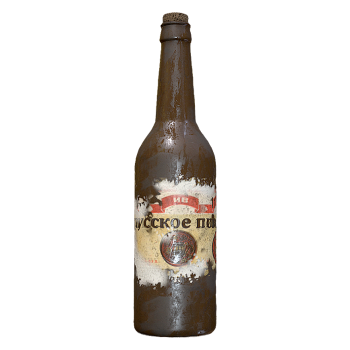
Old beer bottles.

Apulia wine vessel
Produced in Apulia between 400-390 BC and manufactured in Taranto (southern Italy), attributed to the birth of the painter Dionysus, possibly originating from Barry's ceramics. This huge Apulian wine vessel, originally used for mixing wine and water at banquets, seems to have been made for funerals. The scene depicts Hercules being taken to Mount Olympus by Athena's chariot after his death, marking his immortal status as a god. Dionysus was one of the leading figures in the ancient Apulian decorative style, who created intricate compositions on large vases in a rich style. It is currently housed in the Brussels Museum of Art and History in Belgium.
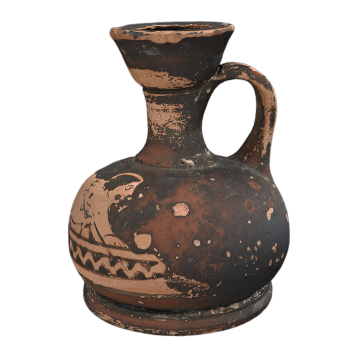
Ancient Greek spherical wine bottle
The ancient Greek spherical wine bottle was a small clay bottle with a main face resembling a baby. The period is the 4th century BC, the classical period of ancient Greece. The production site is in Attica, ancient Greece, and the discovery site is in Laurion (mine). The height is 6.8 centimeters, the width of the bottle body is 5.5 centimeters, the caliber is 3 centimeters, and the bottom diameter is 4.9 centimeters. It is now collected in the National Museum of Archaeology in France.

Popular Models
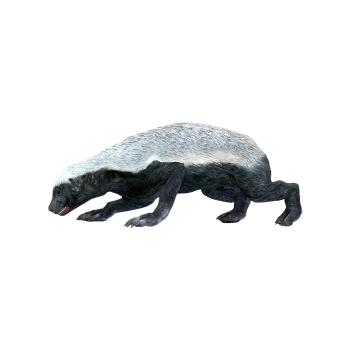
Honey Badger (3D animated model)
194 View
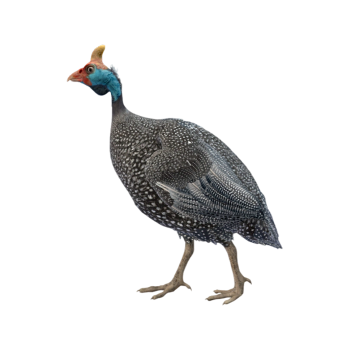
Guinea fowl (3D animated model)
165 View
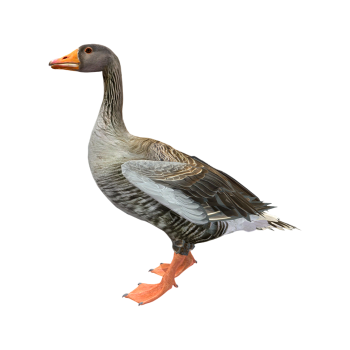
Wild Goose (3D animated model)
187 View
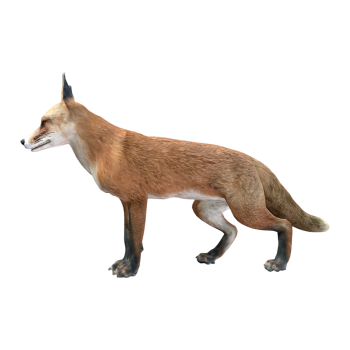
Red Fox (3D animated model)
155 View
Random Model

1977 Minolta XG 2 DSLR camera
797 View

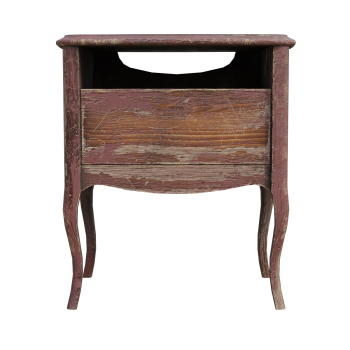


Male roe deer upper skull
746 View

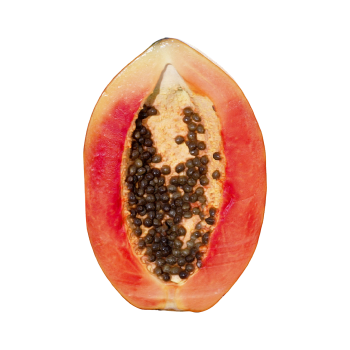
Cut papaya
327 View

Sony WH-1000XM3 Wireless Earphones
1205 View

Plymouth Roadrunner Racing
1223 View